Resources to interact with, light to shape the environment
Sensory panels and lighting fulfil two complementary roles in a multisensory space. Sensory panels provide a direct focus for attention and interaction, while ambient lighting helps shape the overall atmosphere in which the sensory experience takes place.
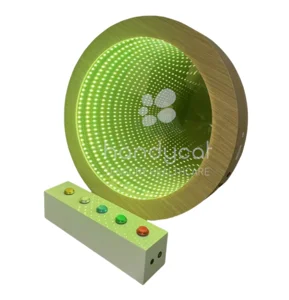
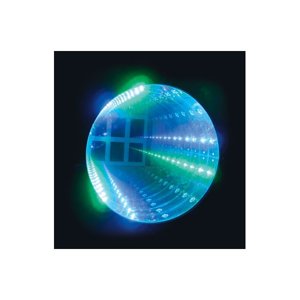
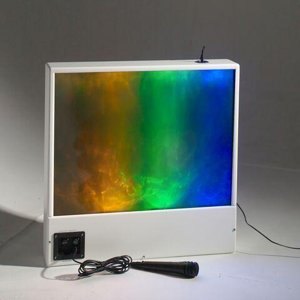
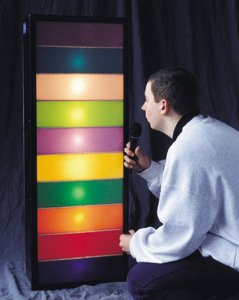
Sensory panels can invite users to look, touch, press or act and receive an immediate response. Depending on the equipment, this response may involve light, colour, movement, sound or a combination of different stimuli. They therefore provide an active resource that can encourage exploration, attention and understanding of cause and effect.
Lighting is part of the sensory experience
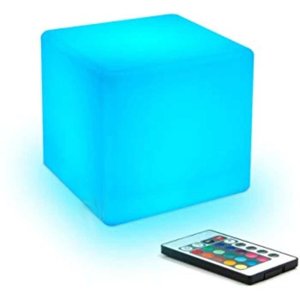
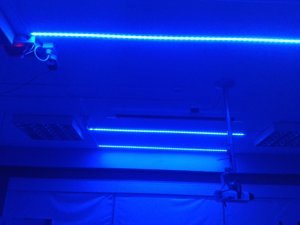
Ambient lighting may be less direct, but it is no less important. Light can change the perception of the entire room, highlight specific resources and help create very different environments according to the activity or the needs of the users.
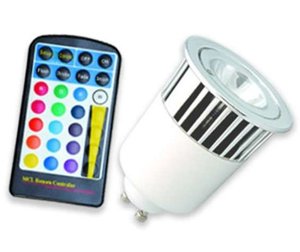
Rather than simply illuminating the room, sensory lighting makes it possible to work intentionally with colour, intensity and atmosphere. A well-planned space should also avoid unnecessary light that competes with the sensory resources or reduces the effect of projection, bubble columns, fibre optics and other illuminated equipment.
Creating a coherent space
When selecting panels and lighting, it is useful to consider:
- The type of interaction offered by each panel.
- The visual, tactile or auditory response produced.
- The height and place where interactive resources will be installed.
- The amount of ambient light required.
- The possibility of adjusting colour or intensity.
- How the different light sources will work together.
- Compatibility with control systems, when applicable.
HANDYCAT can help you select and combine sensory panels and lighting according to the characteristics of the room, its users and the activities to be carried out.
The aim is not simply to add more lights or effects, but to create a coherent environment in which active resources and ambient lighting complement each other and every element has a purpose within the multisensory experience.