Scent is different from light or sound
Aromas can add another dimension to a multisensory environment, but olfactory stimulation needs to be approached differently from light or sound.
When a light is switched off or a sound stops, the stimulus disappears almost immediately. With scent, however, volatile molecules can remain in the air after diffusion has stopped and continue to reach our olfactory receptors.
This has a practical consequence: if several different aromas are introduced one after another, the first may still be present when the next is released. Instead of perceiving each scent clearly and separately, the user may therefore perceive an increasingly complex mixture.
Sometimes less is more
For this reason, at HANDYCAT we recommend using aromas carefully and intentionally. More scents do not necessarily produce a richer or more useful sensory experience.
In many situations, the objective does not need to be for the user to identify a succession of different aromas. A particular scent can become part of the identity of a space or activity and contribute to making the experience recognisable.
Repeated use can also create an association between an aroma, the environment and what the person experiences there. The scent may help anticipate a familiar activity or evoke the memory of that environment and the sensations associated with it.
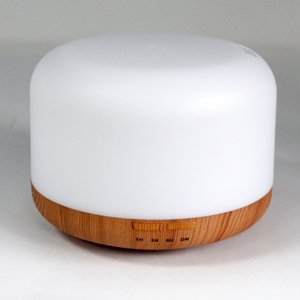
Diffusers and aromas as part of the environment
When planning olfactory stimulation, it is useful to consider:
- The characteristics and intensity of the aroma.
- The amount used and the duration of diffusion.
- The size and ventilation of the room.
- The time required before introducing a different scent.
- The preferences and sensitivity of each user.
- The purpose of using the aroma within the activity or environment.
HANDYCAT offers diffusers and aromas as resources to be integrated thoughtfully into the multisensory experience. We can help you choose how to use them according to the space, the users and the purpose of the activity, avoiding unnecessary accumulation of olfactory stimuli.