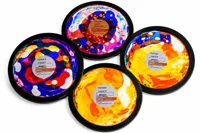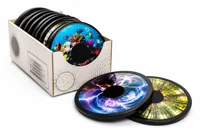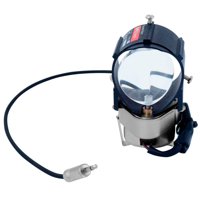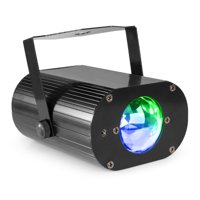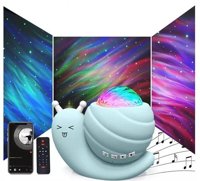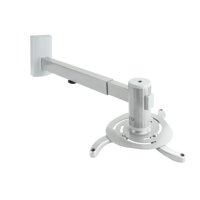
Light, images and movement that transform the space
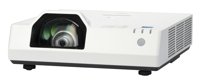
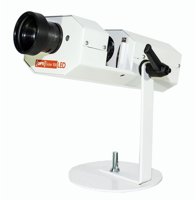
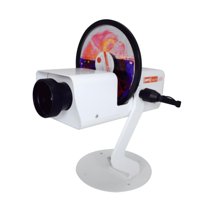
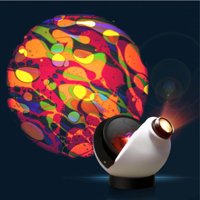
Projection and visual effects make it possible to transform walls, ceilings and other surfaces into changing areas of light, colour and imagery. In a multisensory space they can create a focal point, enrich the atmosphere or provide a more enveloping visual experience.
Unlike interactive projection systems, the resources in this category do not necessarily require the user to act on the projected image. Their value lies in the visual experience itself: movement, colour, shapes and images that can attract attention, accompany moments of relaxation or contribute to the atmosphere of a sensory session.
Choosing the effect, not just the projector
The result depends not only on the equipment but also on the visual content and the way it is projected. When choosing a system, it is therefore useful to consider:
- The type of images or effects to be projected.
- The size and characteristics of the surface receiving the image.
- The projection distance available.
- The ambient light in the room.
- Whether effects need to be changed frequently or adapted to different sessions.
- How projection will combine with the other sensory resources in the space.
A simple, well-chosen effect can sometimes be more useful than a visually complex projection. The objective is not to fill the room with stimuli, but to create the visual environment most appropriate for its users and the intended activity.
A coherent visual environment
HANDYCAT can help you choose projection equipment, effects and accessories and determine how best to integrate them with lighting, bubble columns, fibre optics and other resources.
This allows projection to become part of a coherent multisensory environment rather than simply another light effect added to the room.