Light as a surface for exploration
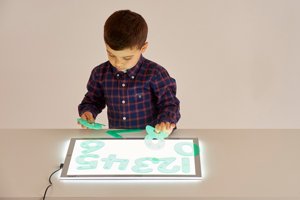
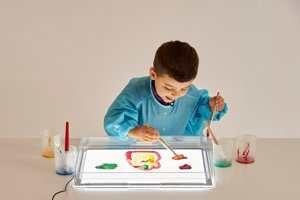
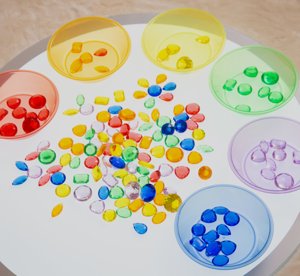
Light tables and light resources turn illumination into a working and exploration surface. Light passing through or outlining objects makes colours, transparencies, shapes, textures and small details easier to observe and creates an attractive setting for manipulation and discovery.
Unlike ambient lighting, here light is not primarily used to transform the room: it becomes part of the activity itself. Users can place, move, sort, overlap and compare materials directly on the illuminated surface.
From sensory exploration to learning
A light table can be used for open-ended sensory exploration, but it can also support more structured educational and developmental activities.
Depending on the resources placed on it, it can be used to work with:
- Colours and colour combinations.
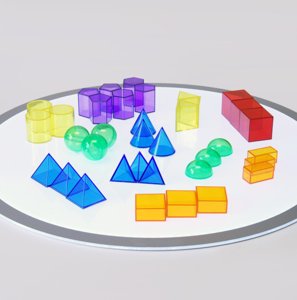
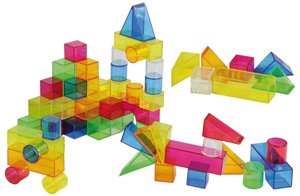
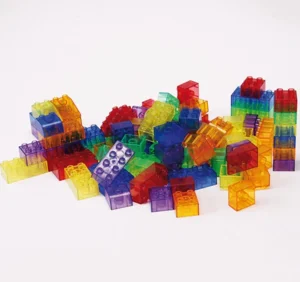
- Transparent, translucent and opaque materials.
- Shapes, outlines and sizes.
- Classification, ordering and matching.
- Fine manipulation and hand-eye coordination.
- Observation of details, patterns and textures.
- Creative and construction activities.
This versatility makes light tables useful well beyond the multisensory room, including educational, therapeutic and developmental environments.
The resources make the difference
The possibilities of a light table depend greatly on the materials used with it. A good selection of translucent objects, manipulatives and exploration materials can turn the same illuminated surface into many different activities.
There is no need to present many elements at once. Selecting a small number of resources according to the objective and the characteristics of the user often creates a clearer and more meaningful experience.
HANDYCAT selects light tables and complementary resources that can be combined in different ways and can advise you on choosing the most appropriate materials according to the users, their abilities and the activities you wish to develop.